Cultivating Sexual Desire and Arousal

Rebuilding Intimacy and Connection

Sexual desire and arousal are complex, influenced by a mix of biological, psychological, emotional, and social factors. After a prostate cancer diagnosis, challenges like stress, fatigue, and treatments such as Androgen Deprivation Therapy (ADT) can significantly reduce libido and affect intimacy.

However, desire and arousal can be cultivated and rebuilt. This isn’t about simply flipping a switch; it’s about creating the right conditions for intimacy to flourish.

Strategies for reigniting desire include:

  • Open Communication: Talking honestly with your partner about your feelings and needs.
  • Mindfulness: Focusing on the present moment and the physical sensations of touch.
  • Emotional Connection: Nurturing the bond you share outside of the bedroom.
  • Physical Touch: Exploring sensual, non-goal-oriented touch.
  • Specific Techniques: Trying exercises like sensate focus and simmering to build arousal slowly.

By shifting the focus from performance-based sex to shared loveplay, couples can manage mismatched libidos and rediscover intimacy.

Learn More

To learn more about these techniques and how to rebuild desire, download our comprehensive guide.

Cultivating Sexual Desire and Arousal

Monita Sundar, MA

Provincial Program Manager, Prostate Cancer Supportive Care Program

Monita Sundar is the Provincial Program Manager for the Prostate Cancer Supportive Care Program, where she leads a multidisciplinary team dedicated to providing integrated clinical care, patient education, and research-driven support.

With a strong commitment to improving the lives of older adults, Monita is passionate about empowering patients through education and implementing innovative strategies that promote well-being and enhance quality of life.

Her leadership reflects a patient-centered approach that bridges clinical excellence with compassionate care.

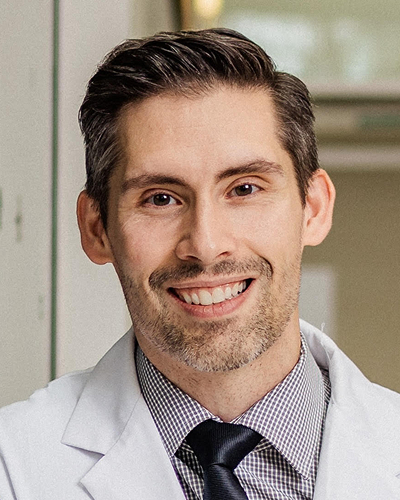
Steven Guirguis, MA

Project Manager & Clinical Research Coordinator, Princess Margaret Cancer Centre

Steven is a Project Manager and Clinical Research Coordinator at Princess Margaret Cancer Centre, with academic training in Psychology and Kinesiology.

His work focuses on supporting prostate cancer patients in managing sexual health challenges related to treatment. He brings a strong interest in the mind-body connection to his clinical and research efforts, particularly within survivorship and rehabilitation care.

Outside of work, Steven enjoys spending time with family, staying active, and brings the same passion to the basketball court as he does to his research.

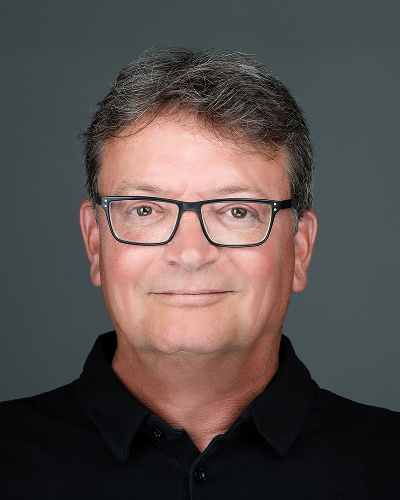
Dr. Ryan Flannigan

Dr. Ryan Flannigan is an Associate Professor, and surgeon-scientist within the Department of Urologic Sciences at the University of British Columbia.

He is the Director of the Urologic Supportive Care Program, Director of the Reproductive & Sexual Medicine Centre within the M.H. Mohseni Institute of Urologic Sciences, and Director of the Male Infertility, Sexual Medicine, and Microsurgery Fellowship Program. His practice is subspecialized in Sexual and Reproductive Medicine, and his research program is focused on developing translational technologies and engineering solutions to advance therapeutics in both sexual medicine and infertility.

He has received national and international awards including the American Urologic Society Rising Star Award, American Society of Andrology Matthew Hardy Young Andrologist Award and has been funded by the Canadian Institute of Health Research, Canadian Foundation for Innovation, Michael Smith Foundation for Health Research, Canadian Urologic Association Scholarship Foundation, American Urology Association, American Society for Reproductive Medicine and the Sexual Medicine Society of North America. 

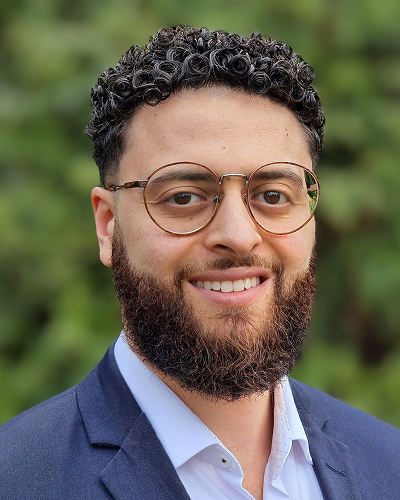
Dr. Andrew Matthew

Dr. Matthew is a Health and Clinical Psychologist as well as a Clinician-Investigator in the Department of Surgery, Division of Urology, and an Associate Professor in both the Departments of Surgery and Psychiatry at the University of Toronto.

He serves as the Lead Psychologist, Director of the Sexual Health Program, Director of Psychology Training, and Head of the GU Survivorship Program at Princess Margaret Cancer Centre in Toronto, Canada. Dr. Matthew has been instrumental in shaping national and international guidelines for sexual healthcare in cancer (ASCO/CCO, Movember).

His clinical care and research are centered on urologic cancers, focusing on prevention, sexual health, survivorship, and improving patient quality of life.