Sensate Focus

A Mindfulness-Based Approach to Touch

Sensate Focus is a powerful, mindfulness-based sexual intimacy exercise. It is designed to help individuals and couples rebuild trust, deepen their connection, and increase body awareness, especially after a disruptive health event like cancer treatment.

The core principle of Sensate Focus is to remove the pressure and anxiety often associated with sexual performance. It does this through a series of gradual, non-pressured touching exercises. The goal is not orgasm or intercourse, but simply to experience pleasure and connection through touch.

The Process:

  • Stage 1: Non-Genital Touch: The exercise begins with partners taking turns touching and caressing each other’s bodies, avoiding genital areas and breasts. The focus is purely on the sensation of giving and receiving touch.
  • Stage 2: Genital Touch: As comfort and trust build, genital touch is incorporated, but still without the goal of arousal or orgasm.
  • Stage 3: Penetrative Touch: Eventually, if both partners are comfortable, this can progress to include penetrative touch, still maintaining the focus on sensation over performance.

Sensate Focus is an excellent tool for rediscovering pleasure, improving sexual communication, and building a more fulfilling and less anxious sexual relationship.

Learn More

For a detailed explanation of the Sensate Focus exercises, download the full guide.

Sensate Focus

Monita Sundar, MA

Provincial Program Manager, Prostate Cancer Supportive Care Program

Monita Sundar is the Provincial Program Manager for the Prostate Cancer Supportive Care Program, where she leads a multidisciplinary team dedicated to providing integrated clinical care, patient education, and research-driven support.

With a strong commitment to improving the lives of older adults, Monita is passionate about empowering patients through education and implementing innovative strategies that promote well-being and enhance quality of life.

Her leadership reflects a patient-centered approach that bridges clinical excellence with compassionate care.

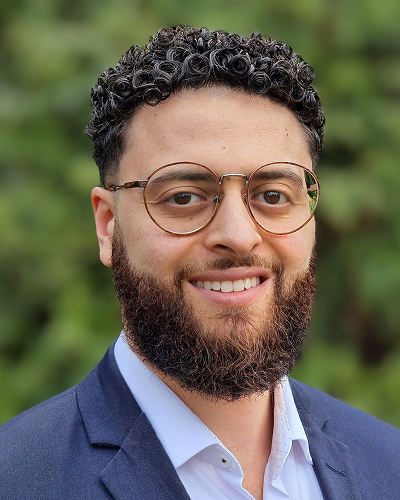
Steven Guirguis, MA

Project Manager & Clinical Research Coordinator, Princess Margaret Cancer Centre

Steven is a Project Manager and Clinical Research Coordinator at Princess Margaret Cancer Centre, with academic training in Psychology and Kinesiology.

His work focuses on supporting prostate cancer patients in managing sexual health challenges related to treatment. He brings a strong interest in the mind-body connection to his clinical and research efforts, particularly within survivorship and rehabilitation care.

Outside of work, Steven enjoys spending time with family, staying active, and brings the same passion to the basketball court as he does to his research.

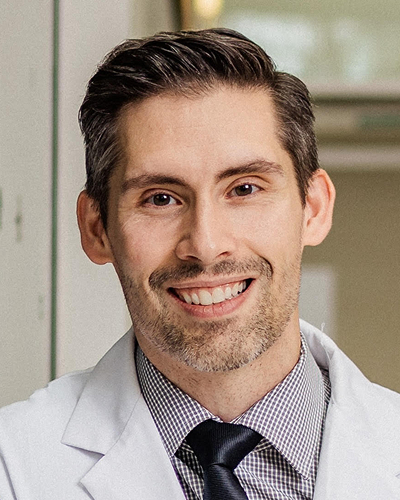
Dr. Ryan Flannigan

Dr. Ryan Flannigan is an Associate Professor, and surgeon-scientist within the Department of Urologic Sciences at the University of British Columbia.

He is the Director of the Urologic Supportive Care Program, Director of the Reproductive & Sexual Medicine Centre within the M.H. Mohseni Institute of Urologic Sciences, and Director of the Male Infertility, Sexual Medicine, and Microsurgery Fellowship Program. His practice is subspecialized in Sexual and Reproductive Medicine, and his research program is focused on developing translational technologies and engineering solutions to advance therapeutics in both sexual medicine and infertility.

He has received national and international awards including the American Urologic Society Rising Star Award, American Society of Andrology Matthew Hardy Young Andrologist Award and has been funded by the Canadian Institute of Health Research, Canadian Foundation for Innovation, Michael Smith Foundation for Health Research, Canadian Urologic Association Scholarship Foundation, American Urology Association, American Society for Reproductive Medicine and the Sexual Medicine Society of North America. 

Dr. Andrew Matthew

Dr. Matthew is a Health and Clinical Psychologist as well as a Clinician-Investigator in the Department of Surgery, Division of Urology, and an Associate Professor in both the Departments of Surgery and Psychiatry at the University of Toronto.

He serves as the Lead Psychologist, Director of the Sexual Health Program, Director of Psychology Training, and Head of the GU Survivorship Program at Princess Margaret Cancer Centre in Toronto, Canada. Dr. Matthew has been instrumental in shaping national and international guidelines for sexual healthcare in cancer (ASCO/CCO, Movember).

His clinical care and research are centered on urologic cancers, focusing on prevention, sexual health, survivorship, and improving patient quality of life.