Optimizing Your Sexual Adaptation After Prostate Cancer Treatment (Video)

Sexual Changes, Adaptation and Rehabilitation

A concise outline of common sexual changes after treatment and how to adapt.

This video covers:

  • Sexual changes: Possible effects on erection (ED), ejaculation, orgasm, genital sensation, continence, sexual drive, and sexual self-view.
  • Sexual adaptation: Treatment can affect body image/masculinity and intimacy; consequences may disrupt prior patterns but also create opportunities to explore new ways of being sexual.
  • Four principles: Acceptance, Flexibility, Patience, Persistence. To navigate loss, stay open-minded, allow time, and keep trying.
  • Penile rehabilitation: Keep erectile tissue healthy; bring blood into the penis at least 3×/week via partnered play or self-stimulation; erectile aids may be used to stimulate blood flow/create erections.
  • Sexual rehabilitation: Build knowledge, develop coping/communication skills, refocus intimacy with your partner, understand societal myths, adjust values to support a positive sexual self-view, and discover new ways to support desired activities/behaviours.
  • Remember: Adaptation can take years; you remain a sexual person; you (and your partner) decide what is important and comfortable.

Learn More

Watch the video and discuss which strategies fit your plan with your care team.

Optimizing Your Sexual Adaptation After Prostate Cancer Treatment

Monita Sundar, MA

Provincial Program Manager, Prostate Cancer Supportive Care Program

Monita Sundar is the Provincial Program Manager for the Prostate Cancer Supportive Care Program, where she leads a multidisciplinary team dedicated to providing integrated clinical care, patient education, and research-driven support.

With a strong commitment to improving the lives of older adults, Monita is passionate about empowering patients through education and implementing innovative strategies that promote well-being and enhance quality of life.

Her leadership reflects a patient-centered approach that bridges clinical excellence with compassionate care.

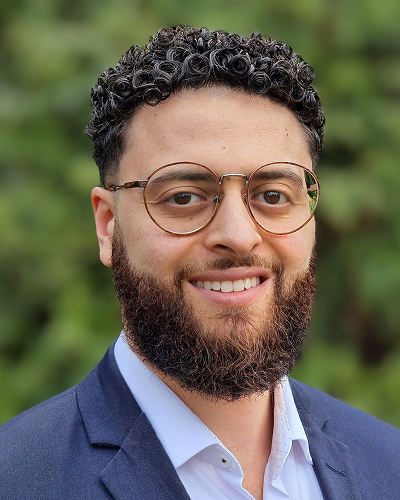
Steven Guirguis, MA

Project Manager & Clinical Research Coordinator, Princess Margaret Cancer Centre

Steven is a Project Manager and Clinical Research Coordinator at Princess Margaret Cancer Centre, with academic training in Psychology and Kinesiology.

His work focuses on supporting prostate cancer patients in managing sexual health challenges related to treatment. He brings a strong interest in the mind-body connection to his clinical and research efforts, particularly within survivorship and rehabilitation care.

Outside of work, Steven enjoys spending time with family, staying active, and brings the same passion to the basketball court as he does to his research.

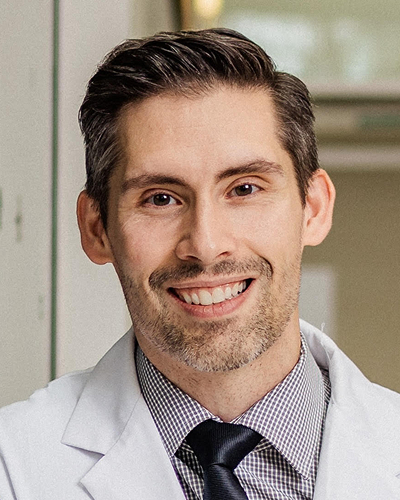
Dr. Ryan Flannigan

Dr. Ryan Flannigan is an Associate Professor, and surgeon-scientist within the Department of Urologic Sciences at the University of British Columbia.

He is the Director of the Urologic Supportive Care Program, Director of the Reproductive & Sexual Medicine Centre within the M.H. Mohseni Institute of Urologic Sciences, and Director of the Male Infertility, Sexual Medicine, and Microsurgery Fellowship Program. His practice is subspecialized in Sexual and Reproductive Medicine, and his research program is focused on developing translational technologies and engineering solutions to advance therapeutics in both sexual medicine and infertility.

He has received national and international awards including the American Urologic Society Rising Star Award, American Society of Andrology Matthew Hardy Young Andrologist Award and has been funded by the Canadian Institute of Health Research, Canadian Foundation for Innovation, Michael Smith Foundation for Health Research, Canadian Urologic Association Scholarship Foundation, American Urology Association, American Society for Reproductive Medicine and the Sexual Medicine Society of North America. 

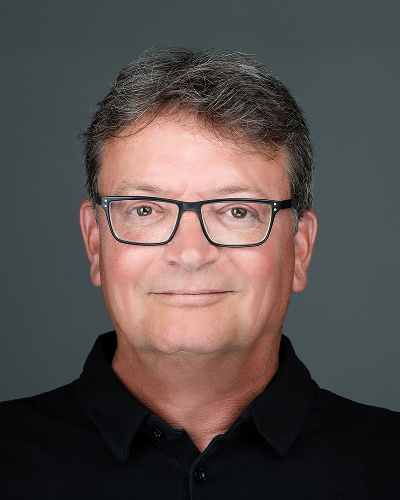
Dr. Andrew Matthew

Dr. Matthew is a Health and Clinical Psychologist as well as a Clinician-Investigator in the Department of Surgery, Division of Urology, and an Associate Professor in both the Departments of Surgery and Psychiatry at the University of Toronto.

He serves as the Lead Psychologist, Director of the Sexual Health Program, Director of Psychology Training, and Head of the GU Survivorship Program at Princess Margaret Cancer Centre in Toronto, Canada. Dr. Matthew has been instrumental in shaping national and international guidelines for sexual healthcare in cancer (ASCO/CCO, Movember).

His clinical care and research are centered on urologic cancers, focusing on prevention, sexual health, survivorship, and improving patient quality of life.